
Nasal obstruction, facial development, and sleep apnea: why early evaluation matters.
Mouth breathing is not always a harmless habit
Nasal breathing performs essential functions: it filters, humidifies, and conditions inhaled air. Occasional mouth breathing during exercise or temporary congestion may be normal. Persistent mouth breathing, especially during sleep or childhood, warrants assessment to identify the underlying cause.
Mouth breathing alone does not mean that the brain receives insufficient oxygen. Oxygenation depends on several factors; oxygen desaturation may occur in certain sleep-related breathing disorders, but it requires objective assessment.
Why do people breathe through their mouths?
In children, possible causes include enlarged adenoids or tonsils, allergic rhinitis, chronic congestion, and structural nasal abnormalities. In adolescents and adults, a deviated septum, enlarged turbinates, nasal polyps, chronic rhinosinusitis, or previous trauma may also play a role.
Not every case results from physical obstruction: breathing patterns, orofacial function, and other conditions may contribute. Treatment should not be determined solely by the appearance of an open mouth.
Childhood, facial growth, and bite development
During growth, chronic nasal obstruction and persistent mouth breathing have been associated with altered tongue posture, craniofacial growth patterns, palate development, and certain malocclusions. These relationships are complex and do not prove that mouth breathing is the sole cause of facial deformity.
Timely assessment may involve an otolaryngologist, pediatric dentist or orthodontist, and, when appropriate, an orofacial myofunctional specialist. Not every child needs surgery, and not every dentofacial change is irreversible.
Sleep, snoring, and obstructive sleep apnea
Frequent snoring, witnessed breathing pauses, labored breathing during sleep, restless sleep, daytime sleepiness, or attention difficulties can suggest sleep-disordered breathing. In children, obstructive sleep apnea may also be associated with behavioral or learning concerns.
Mouth breathing alone does not establish a diagnosis of sleep apnea. Diagnosis requires appropriate clinical assessment and, when indicated, polysomnography or another suitable sleep study. Nasal obstruction may contribute to symptoms, but correcting it does not guarantee that sleep apnea will resolve.
Signs that deserve medical attention
Consider an evaluation for persistent nasal blockage, habitual mouth breathing, recurring snoring, witnessed breathing pauses, repeated sinonasal infections, poor sleep, bite abnormalities, or concerns about facial growth.
Severe breathing difficulty, blue discoloration, altered consciousness, or breathing pauses with obvious distress require emergency medical attention.
How is the condition evaluated?
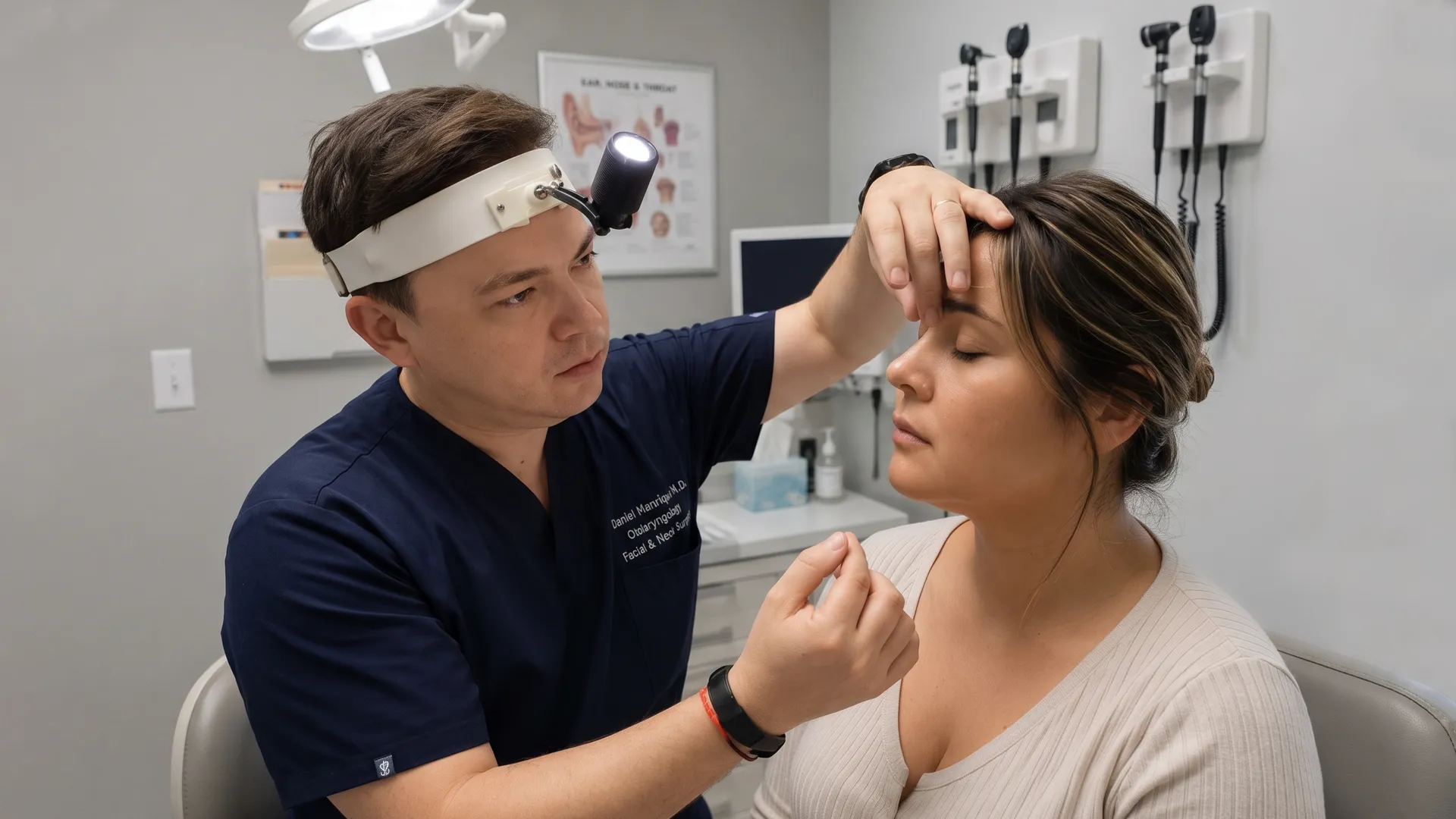
Assessment begins with a medical history, examination of the nose, mouth, and throat, and a review of daytime and nighttime symptoms. Depending on the situation, nasal endoscopy, allergy assessment, sleep testing, or dental and orthodontic consultation may be appropriate.
CT scans and other imaging tests are reserved for specific clinical indications. Individualized assessment helps avoid unnecessary treatment and identify overlapping causes.
Treatment: address the cause, not a one-size-fits-all solution
Allergic rhinitis and nasal inflammation may respond to environmental measures, saline irrigation, and appropriately prescribed medication. In selected patients, enlarged adenoids or tonsils, a significant septal deviation, or structural obstruction may warrant surgery after weighing benefits, alternatives, and risks.
Orofacial therapy or orthodontic care may be useful for selected patients within a multidisciplinary approach. No single technique, device, or exercise should be presented as a cure for every cause of mouth breathing or sleep apnea.
Functional and aesthetic rhinoplasty: breathing matters
An attractive nose must also be evaluated for function. Functional rhinoplasty, septoplasty, and related nasal procedures address specific anatomical problems. When aesthetic and breathing goals coexist, they should be planned together.
Not everyone with nasal obstruction needs rhinoplasty, and an attractive nasal appearance does not guarantee an open airway. Preserving nasal support and nasal valve function is critical in surgical planning.
A message to families and adults
As a specialist in Otolaryngology and Facial Plastic, Aesthetic and Reconstructive Surgery, I encourage patients not to dismiss persistent nasal obstruction, particularly when it affects sleep, daily activities, or a child’s growth. Early diagnosis supports proportionate treatment and can prevent avoidable delays.
Nasal breathing is not merely a matter of appearance: it is an important component of respiratory health. Scientific, individualized, function-centered evaluation should always come first.